
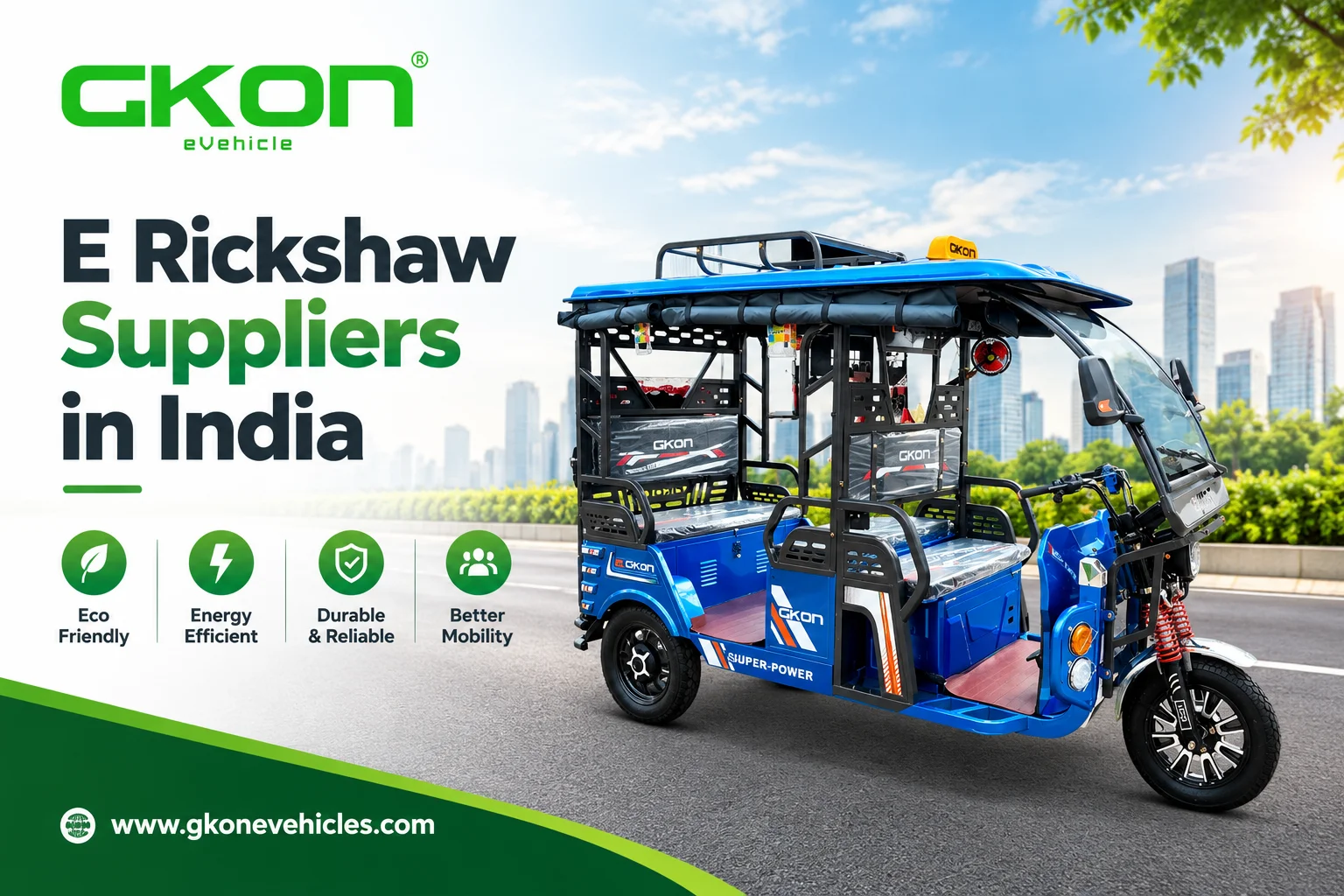
Buying a single E-Rickshaw and purchasing several vehicles for a fleet are two very different decisions. When buying multiple vehicles that will operate every day, buyers must consider the overall reliability, charging requirements, maintenance, and service support. So before buying, get all the required information from E Rickshaw suppliers in India to make the right investment.
Most buyers are unaware of the questions they need to ask and they only enquire about battery capacity, price, and discounts. In this blog, we are sharing all the important questions that fleet owners must ask before placing a bulk order.
1. What Motor and Controller Combination Does the Vehicle Use?
The motor and controller directly influence acceleration, torque, and power delivery. For fleet operations, the combination should be suitable for the expected passenger load, road conditions, and daily running pattern. Buyers should ask the supplier about the motor’s specifications and the compatibility with the controller.
2. What Battery Options Are Available?
Battery selection is important as several vehicles will be operating regularly. It is also important to understand how battery performance may vary with passenger load, traffic, road conditions, and usage. Asking about the battery type, capacity, expected charging requirements, and recommended charging practices will help fleet owners get a realistic idea of how the vehicles will perform during everyday operations.
3. What is the Recommended Daily Operating Pattern?
Not every e-rickshaw is suitable for use in busy cities or for long distances. That is why it is essential to understand its operating pattern to ensure that they are suitable for fleet operations. Share your requirements with the E Rickshaw suppliers in India and ask them whether the vehicle is suitable for your expected daily running, passenger load, and route conditions. Sharing details with the supplier can help identify the appropriate vehicle configuration before ordering multiple units.
4. What Maintenance Does the Fleet Require?
A fleet needs a manageable maintenance routine with regular inspections. Fleet owners must be aware of the required servicing and its frequency. Suppliers should also explain basic checks for tyres, brakes, battery connections, electrical components, and other important systems. Clear maintenance guidance can help reduce avoidable downtime across multiple vehicles.
5. What After-Sales and Technical Support Is Provided?
When several vehicles are operating simultaneously, service support becomes particularly important. Ask how technical complaints are handled, where service assistance is available, and how replacement parts can be obtained. Fleet operators should also clarify warranty terms and understand which components are covered. Having this information before purchase makes it easier to plan maintenance and respond to technical problems.
6. Are Spare Parts Readily Available?
If a commonly required replacement component of an E Rickshaw is unavailable, it may not function well. That is why it is advised to check the availability of spare parts from E Rickshaw Suppliers in India so that you do not face any downtime during everyday operations. For fleet operators, consistent parts availability can make routine maintenance much easier.
Conclusion
Fleet operators should look beyond the vehicle itself when evaluating E Rickshaw suppliers in India. Motor and controller specifications, battery requirements, operating conditions, maintenance, spare parts, and after-sales support all deserve equal attention before placing a bulk order. We at GKON ELECTRIC MOTOR VEHICLES PVT. LTD. understand the fleet operator’s requirements and share all the required information to help them make the right investment.
FAQs – Frequently Asked Questions
They should check the motor, controller, battery, operating suitability, maintenance requirements, warranty, spare-parts availability, and after-sales support.
These components influence acceleration, torque and power delivery, so their compatibility is important for consistent fleet performance.
Suppliers should explain battery type, capacity, charging requirements, recommended usage, and factors that can affect practical performance.
Technical issues affecting even a few vehicles can disrupt daily operations. Responsive service and parts availability can help reduce unnecessary downtime.
Yes, availability of commonly required components can make repairs and routine maintenance easier and help vehicles return to operation sooner.